How Big Are the Holes in a Pickleball? (Indoor vs Outdoor Standards Explained)
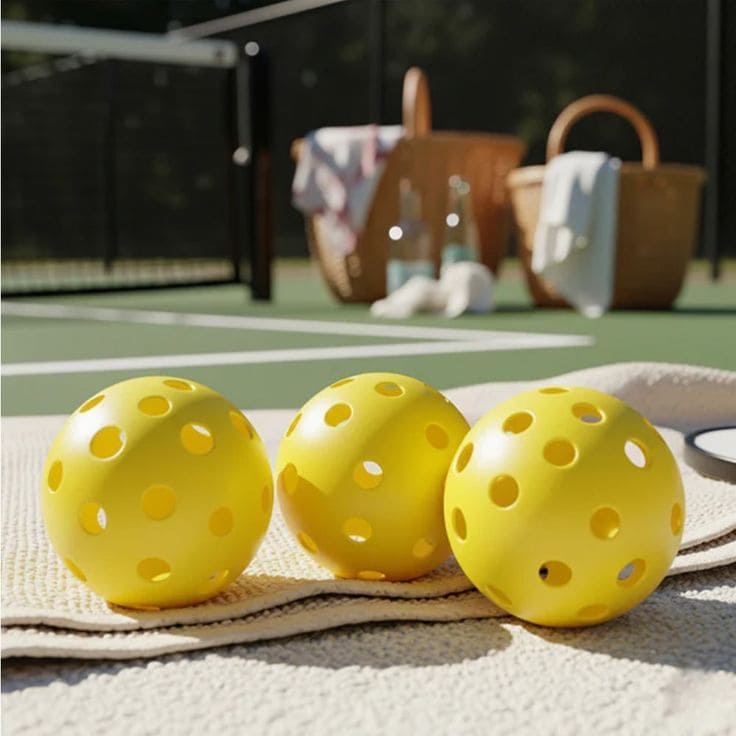
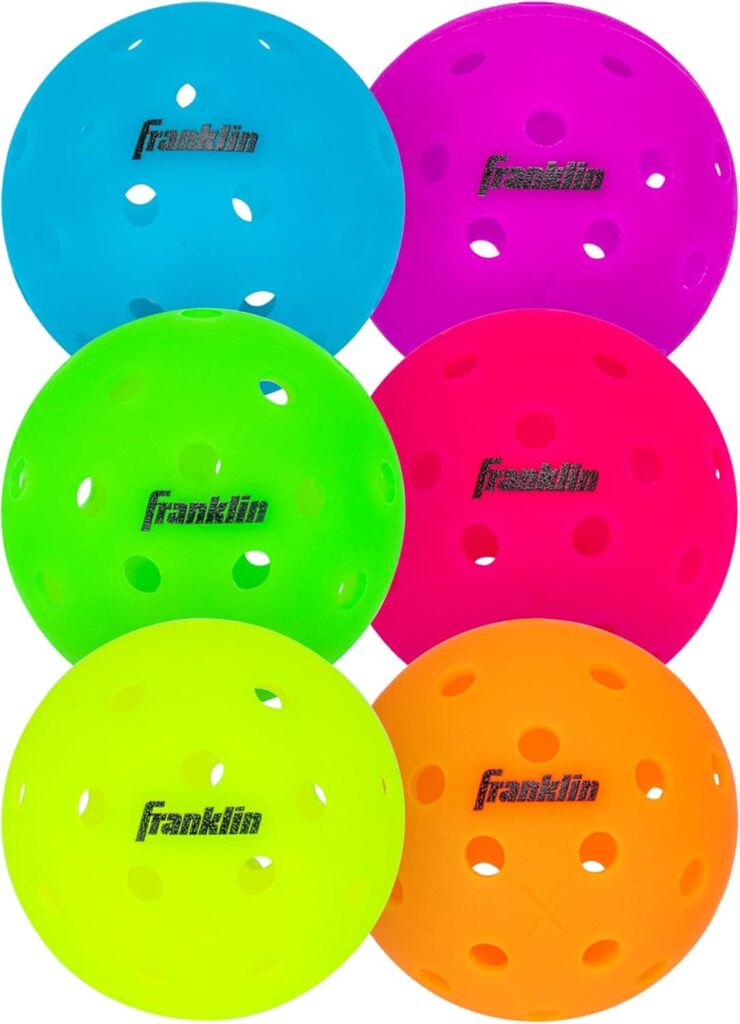
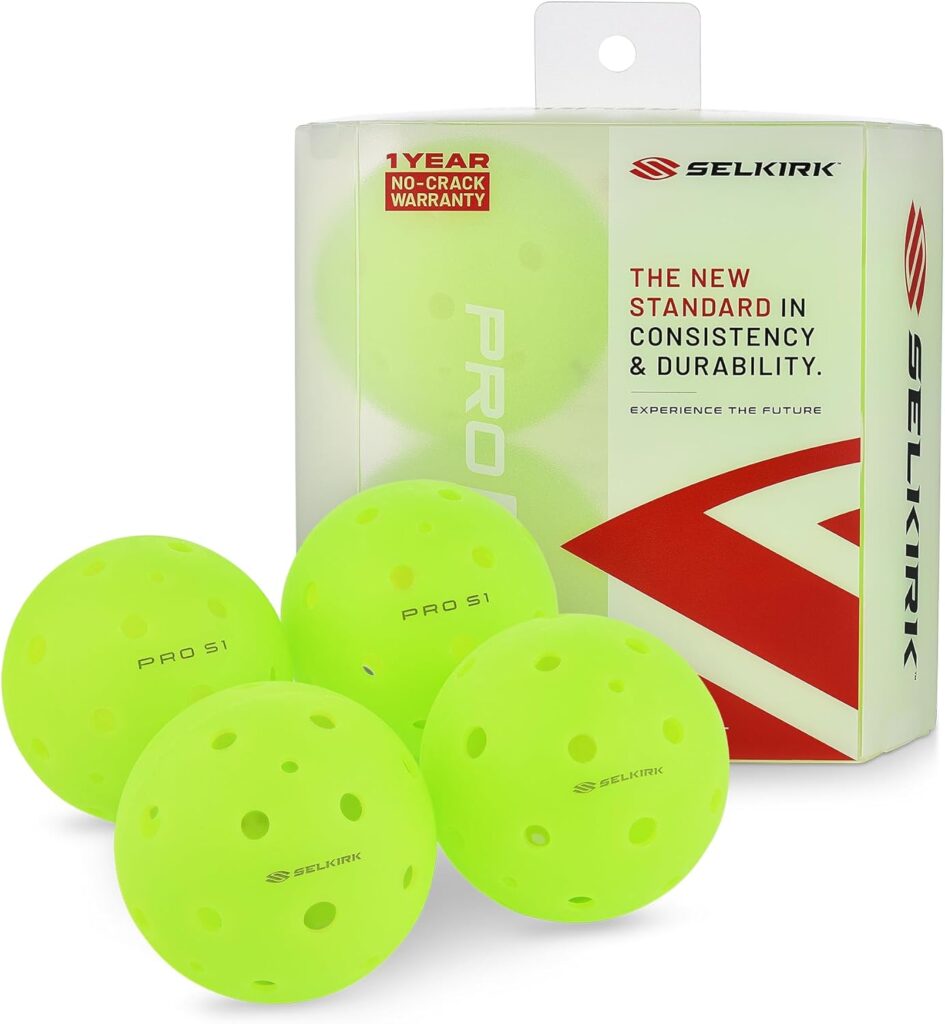
Pickleball balls have precisely designed holes that affect speed, durability, and flight stability. While the overall ball size is standardized, the number and size of the holes differ between indoor and outdoor pickleballs.
Understanding these differences helps players choose the right ball for their playing environment.
What Is the Standard Size of a Pickleball?
According to official regulations, a standard pickleball must:
- Measure between 2.87 and 2.97 inches in diameter
- Weigh between 0.78 and 0.935 ounces
- Be made of durable molded plastic
- Contain evenly spaced circular holes
However, the hole configuration varies depending on whether the ball is designed for indoor or outdoor play.
How Big Are the Holes in a Pickleball?
The holes in a pickleball are typically about 0.25 inches (¼ inch) in diameter, though exact measurements vary slightly by manufacturer.
The key differences are not just hole size — but also hole quantity and distribution.
Indoor vs Outdoor Pickleball Balls: What’s the Difference?
> Indoor Pickleballs
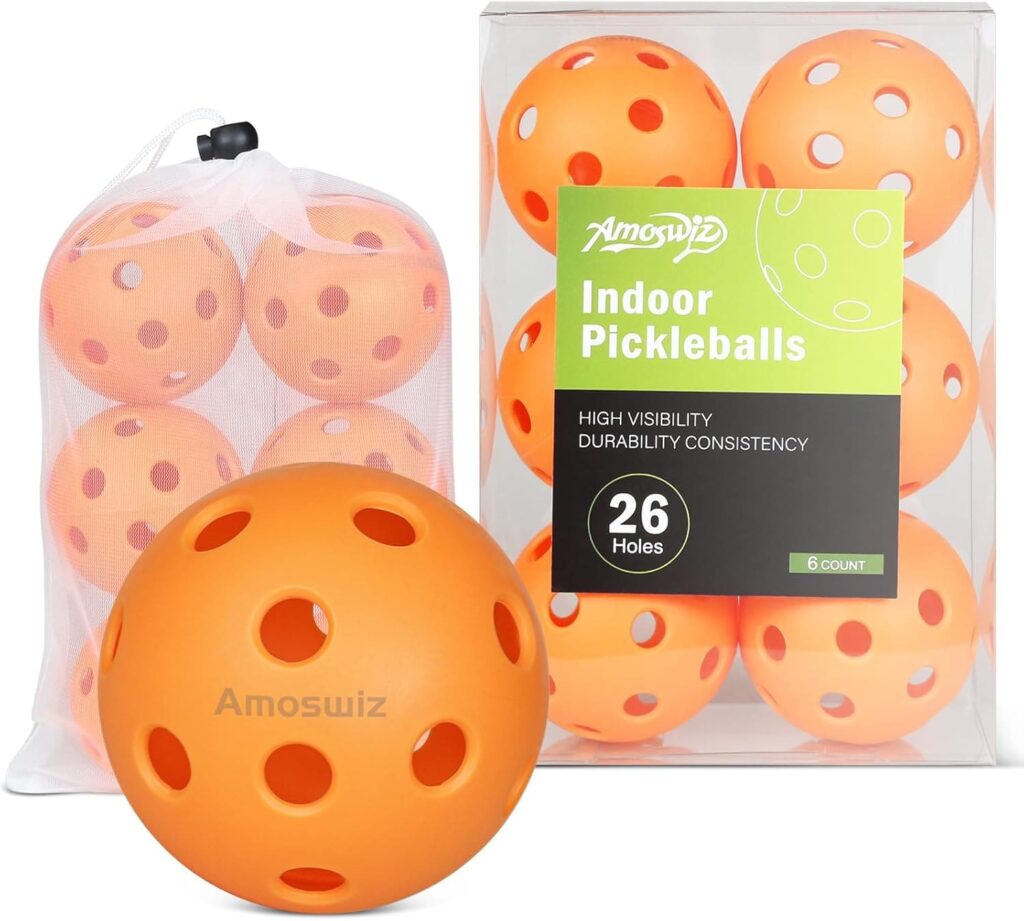
- Typically have 26 larger holes
- Made of softer plastic
- Designed for smoother indoor surfaces
- Offer slower flight and more control
Larger holes reduce air resistance differently, making the ball easier to control in calm indoor environments.
> Outdoor Pickleballs
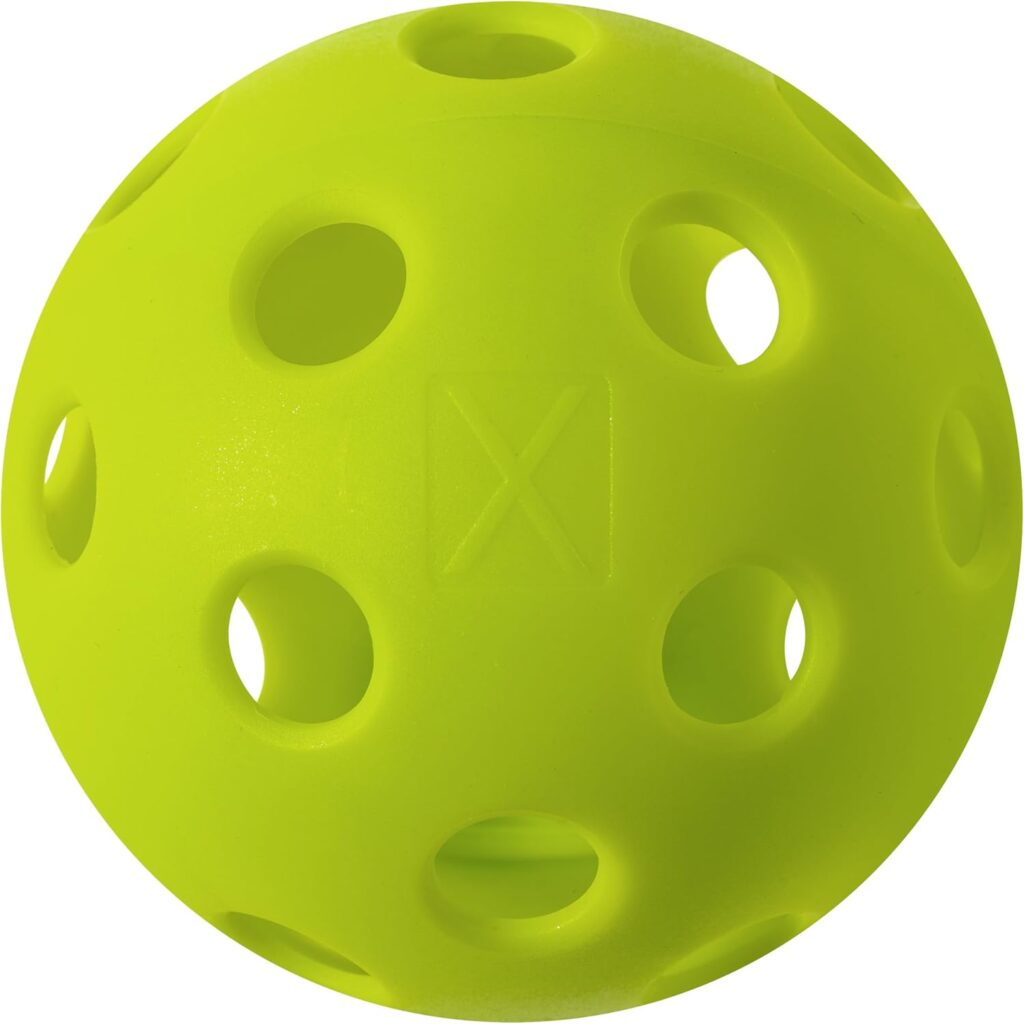
- Usually have 40 smaller holes
- Made of harder plastic
- Built to withstand wind and rougher courts
- Fly faster and more consistently outdoors
More holes help stabilize the ball in windy conditions and improve durability on asphalt or concrete courts.
Why Do Hole Size and Quantity Matter?
The hole pattern affects:
- Ball speed
- Wind resistance
- Bounce consistency
- Durability
Outdoor balls need greater stability in unpredictable conditions, while indoor balls prioritize control and softer bounce.
Are There Official Standards for Hole Size?
The official governing body, the USA Pickleball, regulates overall ball dimensions and performance standards. However, manufacturers may vary hole size slightly as long as the ball meets certification requirements.
This allows brands to fine-tune performance while staying within official specifications.
Indoor vs Outdoor Pickleball Balls: Quick Comparison
| Feature | Indoor Ball | Outdoor Ball |
|---|---|---|
| Hole Count | 26 | 40 |
| Hole Size | Larger | Smaller |
| Plastic Type | Softer | Harder |
| Best For | Gym floors | Asphalt / concrete |
| Wind Resistance | Lower | Higher |
How to Choose the Right Pickleball
Choose indoor balls if:
- You play in gyms
- You prefer slower rallies
- You want more touch control
Choose outdoor balls if:
- You play outside
- Wind is a factor
- You want greater durability
Using the correct ball improves consistency and game experience significantly.
See more in Pickleball Gear Checklist for Beginners: Everything You Actually Need
Final Answer
The holes in a pickleball are typically around ¼ inch in diameter. Indoor balls generally feature 26 larger holes, while outdoor balls use 40 smaller holes for better wind resistance and durability.
Understanding these differences ensures you select the right ball for your playing conditions.