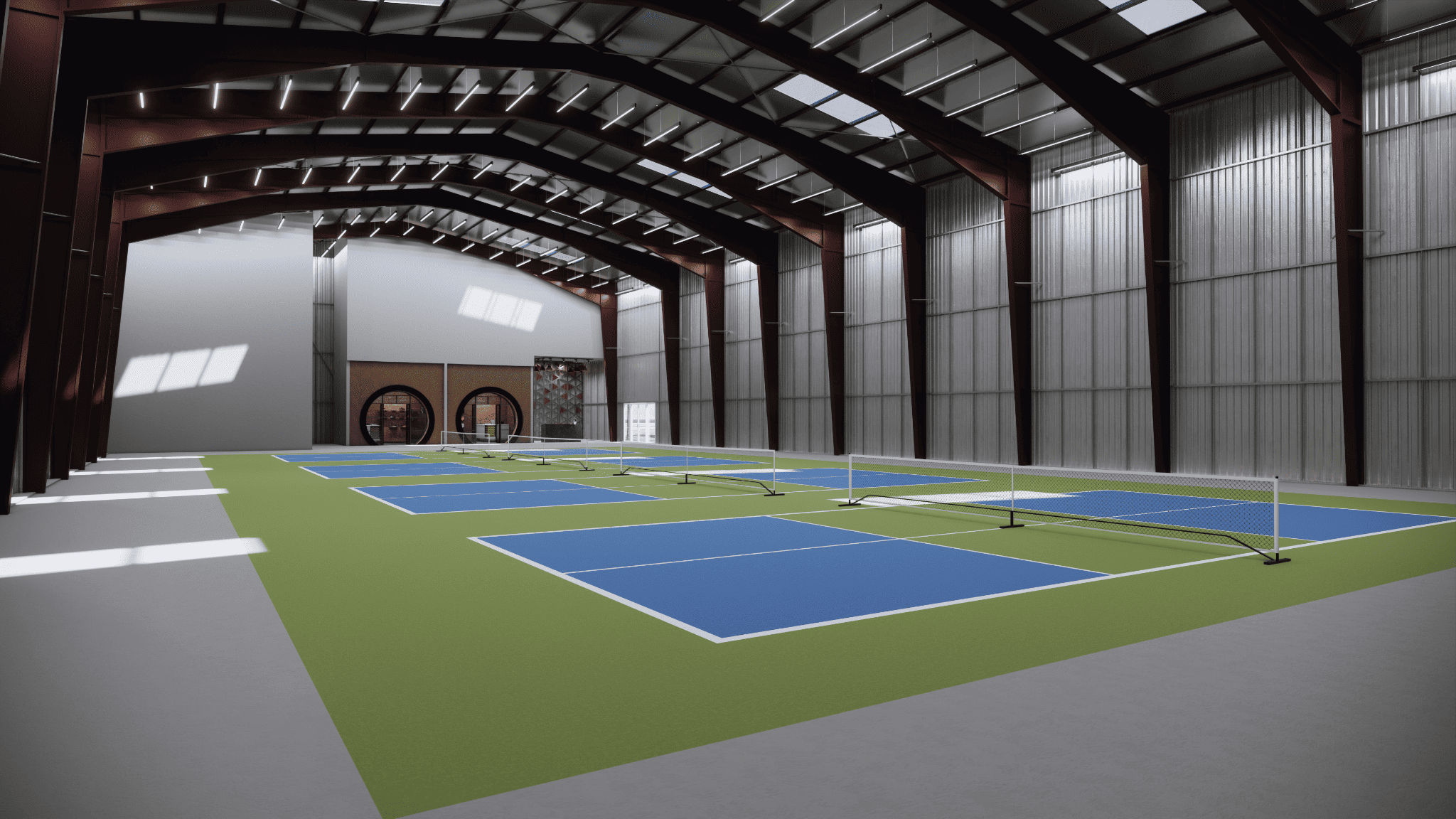
What Is the Kitchen in Pickleball? 7 Powerful Facts Every Player Should Know
What Is the Kitchen in Pickleball? If you’re new to pickleball, you’ve probably heard players talk about “the kitchen.” But what exactly is it—and why does it matter so much?
Understanding the kitchen is essential if you want to play correctly and improve your game fast.
In this guide, we’ll break down what the kitchen is in pickleball, the rules you must follow, and how to use it to your advantage.
What Is the Kitchen in Pickleball? (Quick Answer)
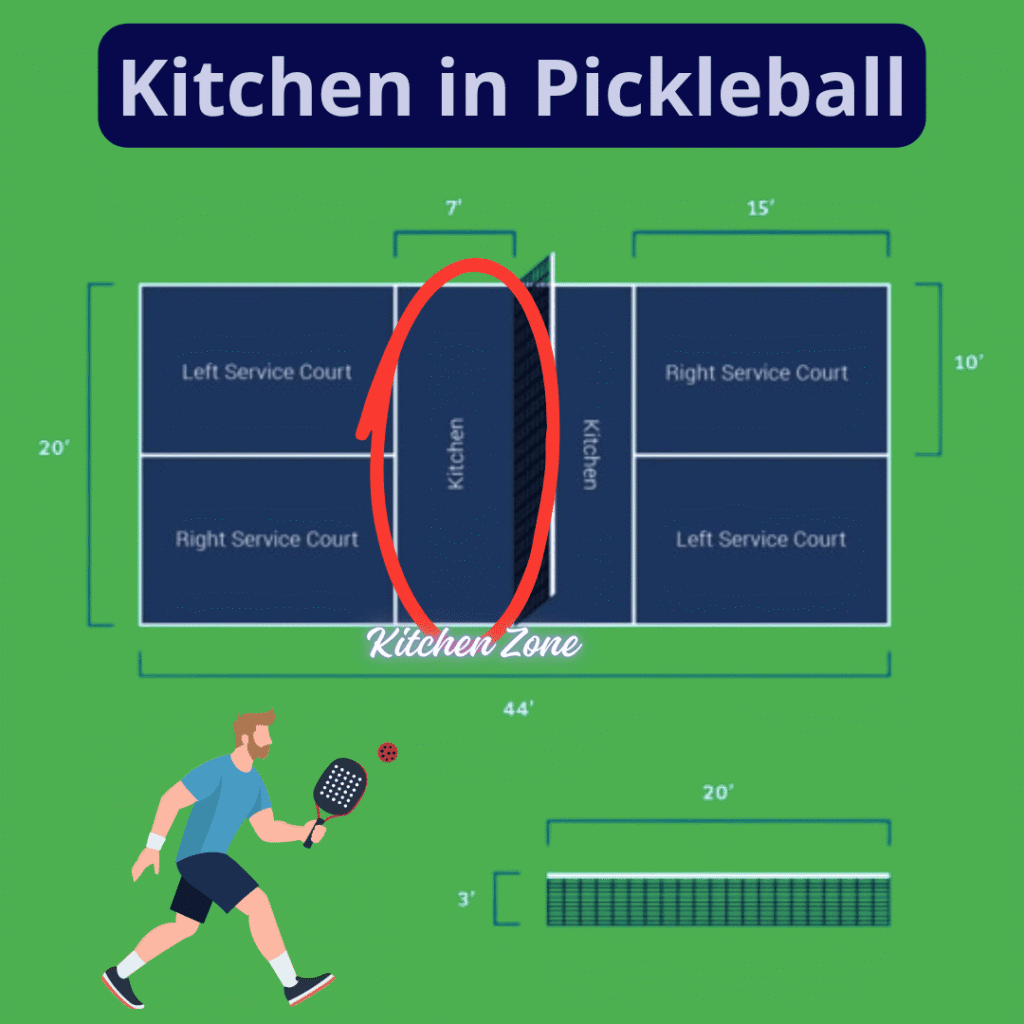
The kitchen in pickleball is the non-volley zone, a 7-foot area on both sides of the net where players are not allowed to volley the ball (hit it out of the air).
What Is the Kitchen in Pickleball?
The “kitchen” is the nickname for the non-volley zone (NVZ) in pickleball.
It is:
- a 7-foot area from the net on both sides
- designed to prevent players from smashing the ball too close to the net
- one of the most important parts of the court
This rule keeps the game balanced and encourages strategy over pure power.
How Big Is the Kitchen?
The kitchen extends:
- 7 feet from the net
- across the entire width of the court
That means each side of the court has its own kitchen zone.
Total: two kitchen areas (one per side).
Kitchen Rules You Must Know
Understanding the rules is critical to avoid faults.
1. No Volleys in the Kitchen
You cannot hit the ball out of the air (volley) while standing in the kitchen.
2. No Stepping in After a Volley
Even if you hit the ball outside the kitchen, your momentum cannot carry you into the kitchen afterward.
This is one of the most common beginner mistakes.
3. You Can Enter the Kitchen (But Only Sometimes)
You are allowed to step into the kitchen only if the ball bounces first.
This is typically done when hitting:
- dinks
- soft shots near the net
4. Kitchen Line Counts as the Kitchen
The line is part of the kitchen.
If your foot touches the line during a volley → it’s a fault.
Why Is It Called “The Kitchen”?
The exact origin isn’t 100% confirmed, but many believe it comes from shuffleboard, where the “kitchen” is a penalty zone.
In pickleball, it represents an area where certain actions are restricted—making the name both fun and memorable.
Why the Kitchen Rule Exists
The kitchen rule prevents players from dominating the game with powerful smashes at the net.
Without it:
- taller players would have a big advantage
- rallies would be shorter
- the game would be less strategic
The kitchen adds balance, control, and finesse to pickleball.
The best
T-SHIRT
of Pickleball
The Dink Club

How to Use the Kitchen to Your Advantage
Advanced players don’t avoid the kitchen—they master it.
Here’s how:
✔ Master the Dink Shot
Soft shots near the net force your opponent into difficult positions.
✔ Control the Pace
The kitchen allows you to slow the game down and reset rallies.
✔ Force Errors
Smart kitchen play often leads to mistakes from your opponent.
Common Kitchen Mistakes
Avoid these beginner errors:
- stepping into the kitchen after a volley
- touching the kitchen line
- trying to smash too close to the net
- not using the kitchen strategically
Quick Summary
| Rule | Explanation |
|---|---|
| Kitchen | 7-foot non-volley zone |
| Volley allowed? | ❌ No |
| Can you step in? | ✅ Yes (after bounce) |
| Line counts? | ✅ Yes |
FAQ: Kitchen in Pickleball
Can you stand in the kitchen in pickleball?
Yes, you can stand in the kitchen—but you cannot volley the ball while inside it.
Can the ball bounce in the kitchen?
Yes. In fact, players often aim for the kitchen when hitting soft shots like dinks.
What happens if you step in the kitchen after a volley?
It is considered a fault, and you lose the point.
Final Thoughts
The kitchen in pickleball is one of the most unique and important aspects of pickleball. While it may seem confusing at first, mastering its rules and strategies will instantly improve your game.
Whether you’re a beginner or an experienced player, learning how to control the kitchen is a key step toward becoming a better pickleball player.